- No Advance Payment
- 100% Discreet
- 8369807416
- Talk To Experts
- Incall-Outcall
100% Discreet
8369807416
If you're looking for information about red light areas in Mumbai, you've come to the right place. NaughtyScorts covers all the major spots - from the famous Kamathipura that everyone has heard of, to smaller areas in Navi Mumbai and Thane that most people don't even know exist. We've included exact locations, a bit of history, and what these places look like today. Everything here is based on ground reality, not copied from Wikipedia.
Mumbai's red light areas have a history that goes back over 150 years. The British started it all in the 1880s when they set up Kamathipura to serve their soldiers stationed in the city. Back then, it was organized and even had some level of regulation. Women from all over India - and even from Japan and Europe - were brought here.
After independence in 1947, things got complicated. Prostitution laws became stricter, but the demand never went away. Through the 60s, 70s, and 80s, areas like Kamathipura and Falkland Road grew bigger. At its peak in the 1990s, Kamathipura alone had over 50,000 women working across 14 lanes. It was one of the largest red light districts in all of Asia.
The decline started in the 2000s. Real estate prices in South Mumbai shot up - builders saw gold in those old brothel buildings. NGOs stepped in with rehabilitation programs. HIV awareness campaigns changed behaviors. And then smartphones happened - the whole industry moved online. Today, most people search for Mumbai call girls through websites rather than visiting these lanes. The traditional red light areas are shadows of what they used to be. New areas have come up in Navi Mumbai and Thane, but they operate very differently - scattered, hidden, nothing like the old organized system.
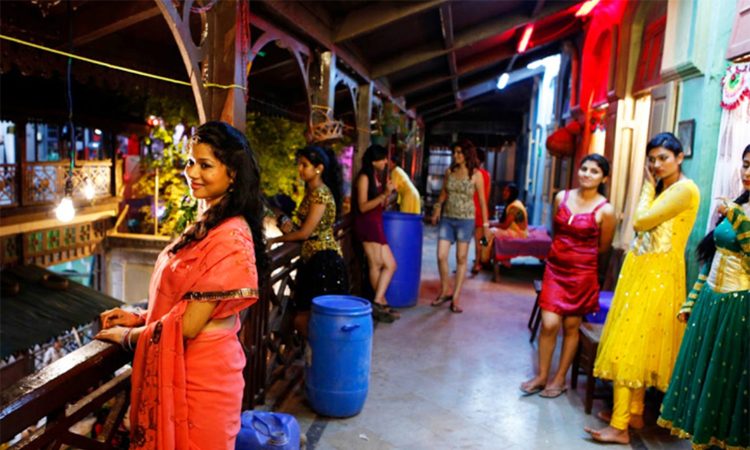
Ask anyone about red light areas in Mumbai and the first name you'll hear is Kamathipura. It's been here since the 1880s - the British set it up for their soldiers. Walk through the 14 lanes today and you'll see a mix of old brothels, new apartments, and regular shops. Most of the original buildings are gone now. Builders have taken over, families have moved in, and NGOs have relocated thousands of women. But if you go after 9 PM, you'll still find some activity in the darker lanes. It's nothing like what it used to be though - old timers say 50,000 women worked here at its peak. Today? Maybe a few hundred.
Kamathipura Address & How to Reach: Kamathipura is located between Grant Road and Mumbai Central stations on the Western Railway line. The exact address is Kamathipura, Khetwadi, Mumbai 400004. From Grant Road station, take the east exit and walk towards Bellasis Road - the lanes start within 5-10 minutes. From Mumbai Central, it's about 15 minutes walk via Belasis Bridge. Auto rickshaws from both stations know the area well.
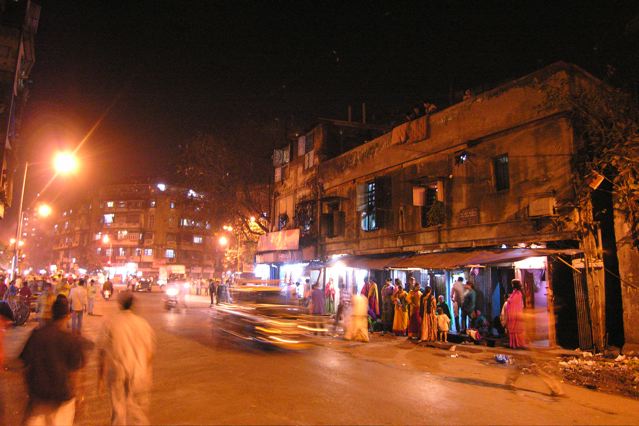
You might have seen photos of women sitting behind iron bars on the ground floor - that's Falkland Road. Locals call it Foras Road. It runs right next to Kamathipura near Mumbai Central station. Those cage-like rooms made this place famous worldwide. Red light area Mumbai photos that went viral internationally - most were shot here. Photographers like Mary Ellen Mark, journalists, documentary makers - everyone came here to capture these images. But go there now and you won't find many cages left. The buildings are either demolished or converted. A few spots still operate but it's nothing like the photos from the 90s. The whole character of the street has changed.
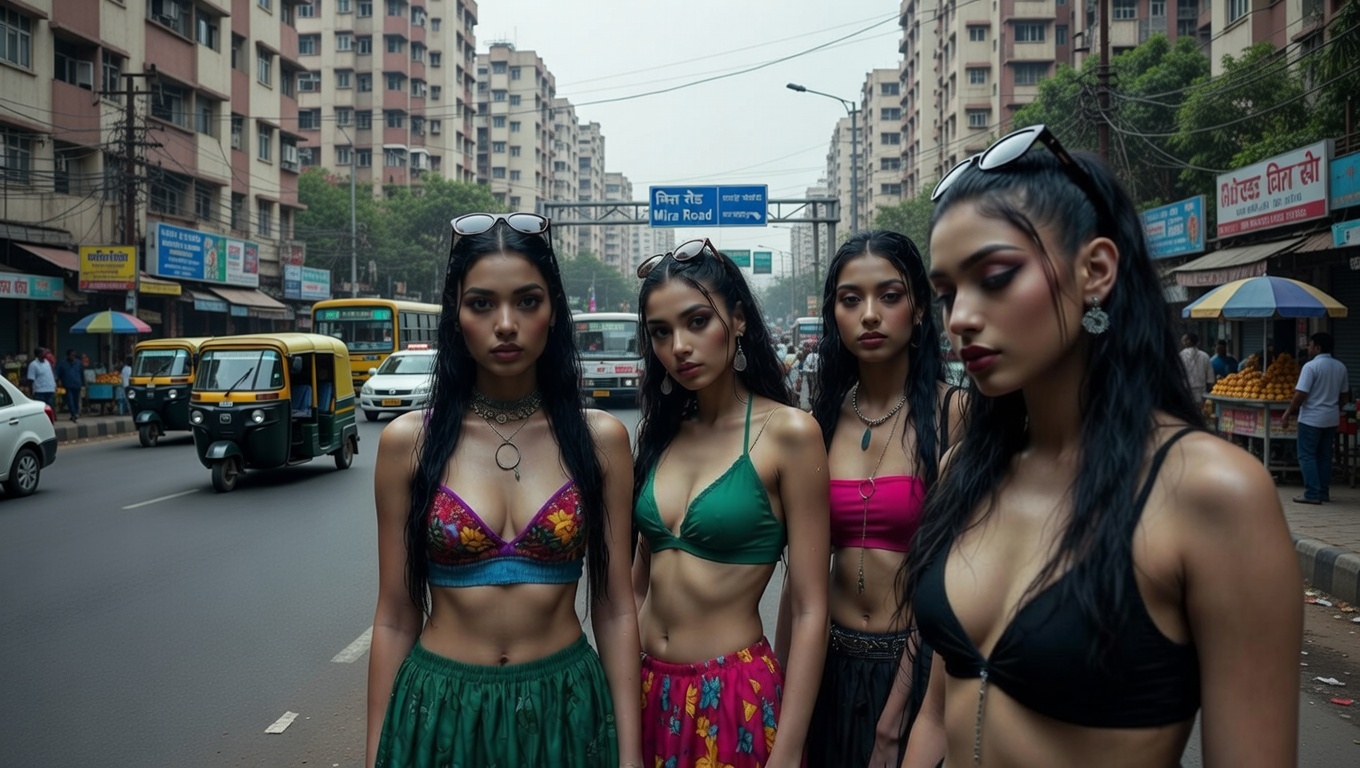
Mira Road is the new face of Mumbai's red light scene - nothing like the old Kamathipura model. This area exploded in the 2000s when dance bars were banned in Mumbai city. Everything shifted here - to the outskirts where rules were flexible. Today you'll find massage parlors that aren't really massage parlors, spas that offer "extra services," and apartments running as unofficial brothels. It's spread across the highway stretch from Mira Road to Dahisar. Similar setups exist in Andheri too - if you search for red light area in Andheri Mumbai, you'll find it's mostly these modern spa/massage parlor operations rather than traditional brothels. Very modern setup - WhatsApp bookings, online payments, AC rooms. The crowd is different too - mostly middle class guys who don't want the Kamathipura experience. Police raid occasionally but new places open up faster than old ones shut down.
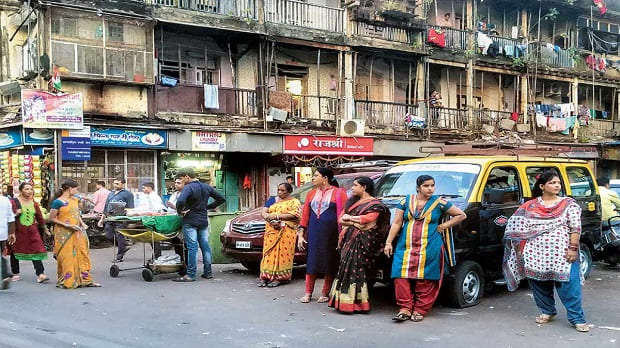
Grant Road station has always been the entry point to Kamathipura. Get off the train, walk 5 minutes, and you're there. The lanes around the station had their own scene going - small lodges, cheap hotels, women standing in doorways. It was never as organized as Kamathipura proper, more of an overflow zone. Today most of it is regular commercial area. You'll see mobile shops, restaurants, offices. Some activity still happens in back lanes but nothing open. The whole place is changing fast.
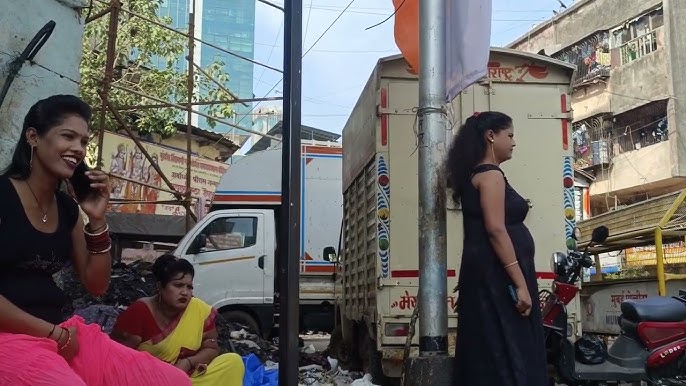
Turbhe is completely different from Mumbai's old red light areas. This is MIDC - factories, warehouses, trucks everywhere. When Navi Mumbai started growing in the 80s and 90s, thousands of workers came here. No families, just men living in shared rooms. That's how the scene started. It's not in one place - scattered across lanes near the industrial area. Mostly caters to factory guys and truck drivers. Police raid it regularly but it keeps coming back. Very basic setup, nothing fancy.
Vashi is a planned city - wide roads, sectors, everything organized. So you won't find open red light activity here like Mumbai. It's all behind closed doors in Sector 8. Some apartments, some small buildings - people who know, know. The clients are mostly office workers, businessmen from nearby areas. Very different crowd from Turbhe. Police keep a watch so nothing happens openly. But locals will tell you certain buildings have been running for years. It's just not visible to outsiders.
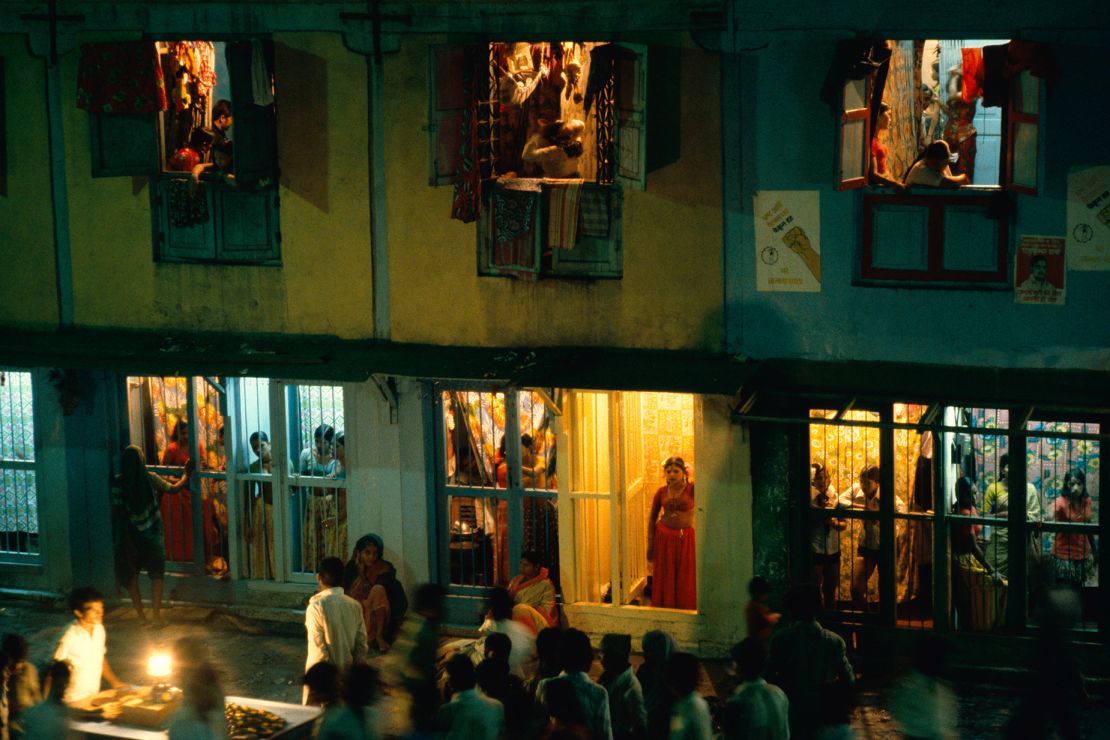
Bhiwandi is powerloom central - over 10 lakh workers in textile factories, plus truckers coming and going 24/7. That's a lot of men away from home. The red light scene here is scattered around transport areas and near highway dhabas. Nothing organized, very basic and cheap. Workers earning daily wages can't afford Kamathipura prices. This place fills that gap. Police raid every few months, things shut down for a week, then start again. It's been like this for decades.
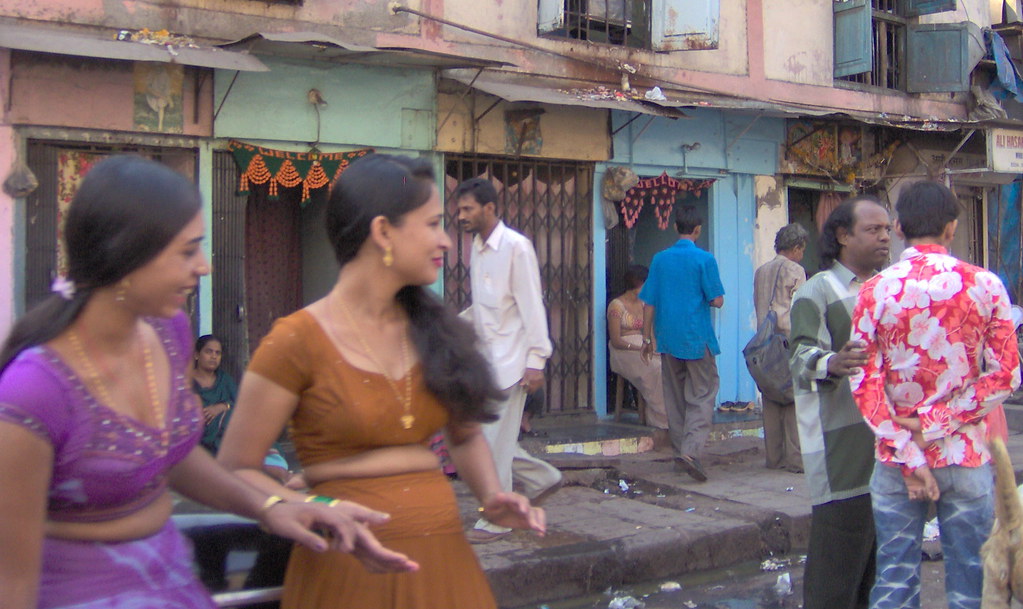
Kurla station sees lakhs of people daily - Central line, Harbour line, everyone changes trains here. With that much crowd, there's money to be made. The red light activity here is spread across old neighborhoods near the station. Chawls, small rooms, nothing fancy. It's not a "red light area" officially - more like pockets that locals know about. BKC is right next door bringing corporate crowd, and old Kurla brings working class. Both find what they're looking for somewhere around here.
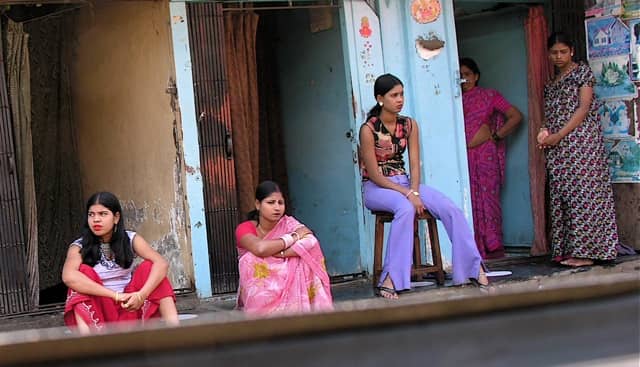
Ulhasnagar started as a Sindhi refugee camp after 1947 partition. Today it's a massive city with its own red light scene - probably the biggest in MMR outside Mumbai proper. The activity is concentrated in certain camps (Ulhasnagar is divided into Camp 1, Camp 2, etc). Evenings you'll see women in certain market areas. It serves the huge local population and also people coming from Kalyan, Dombivli side. Police have raided many times over the years but it keeps running.
Koliwada means fishermen's village - and there are several across Mumbai. The one near Sion station has had some red light activity for years, though it's very small scale. The Koli community is tight-knit, outsiders don't really go into those lanes. Whatever happens there is mostly for locals who know the area. You won't find it on any list or hear people talking about it. We're including it just to be complete - but honestly, compared to other places on this list, it's barely active.
Most modern Mumbai users skip red light areas entirely. Why take the risks listed above when you can book verified Mumbai Escorts with real photos, no advance payment, and complete privacy?
Here's what confuses most people - prostitution itself is technically not illegal. A woman can sell sex independently. What's illegal is everything around it: running a brothel, pimping, soliciting in public, trafficking. So the act itself isn't criminal, but almost every way it actually happens is illegal. That's why police can raid these areas.
Kamathipura, no question. British set it up in the 1880s - that's almost 150 years ago. It's not just the oldest in Mumbai but in all of Asia. The name comes from Kamathi workers (construction laborers from Karnataka) who built the area.
Within Mumbai city limits, Kamathipura is still the largest by area - 14 lanes. But it's shrinking fast. If you count the whole Mumbai Metropolitan Region, Ulhasnagar might actually have more activity now. Bhiwandi also has a lot scattered around, hard to measure.
Multiple reasons. Real estate prices in that area are crazy now - builders want that land. NGOs have rehabilitated thousands of women. Younger generation doesn't want this life. And honestly, the whole industry has moved online - why stand on the street when you can use a phone? Times have changed.
Most are gone. Demolished, converted to shops, or just abandoned. A few old structures remain but the famous "cages" that photographers captured in the 80s and 90s - those are basically history now. You can still find a few if you look hard, but it's nothing like before.
No, they're not. We can't say this clearly enough. These are not tourist spots. You will stand out, you will be targeted, and if something goes wrong there's no help coming. Even journalists and researchers go with local contacts and police permission. Random visitors have been robbed, assaulted, blackmailed. Just don't. The safer alternative most Mumbai users choose: book verified Escorts in Mumbai instead — real photos, no advance payment, hotel/home delivery, complete privacy.
Andheri doesn't have a traditional red light area like Kamathipura with lanes of brothels. What exists in Andheri are modern setups - massage parlors, spas, and apartment-based operations that offer "extra services." These are scattered across the suburb, not concentrated in one area. Similar operations exist along the entire Western Express Highway belt from Andheri to Mira Road.
Modern Mumbai users skip red light areas entirely. The safer path is booking through a verified Mumbai Escorts service. Advantages: real photos (what you see is who arrives), no advance payment (cash only on arrival), no STD risk (regular health checks), no legal issues (private location only), and complete privacy. You browse profiles online, book via WhatsApp, and the girl arrives at your hotel or home — discreet and safe. Browse our verified Call Girls in Mumbai to see what's actually available.
We wrote this page to give you real information - not the sanitized Wikipedia version, but actual ground reality about Mumbai's red light areas. These places exist, they have history, and they're part of the city whether we like it or not.
The traditional red light areas like Kamathipura and Falkland Road are fading away. Real estate, rehabilitation, and technology have changed everything. What took 150 years to build is disappearing in just a couple of decades. Whether that's good or bad depends on who you ask - but it's the reality.
If you came to this page looking for adult services, the modern path is simple: skip the red light areas entirely. Verified Escorts Mumbai services give you real photos, no advance payment, and pay-after-meet booking with hotel or home delivery. None of the risks. None of the legal issues. Most Mumbai users today book this way — see verified Mumbai Call Girl profiles available right now.
If you found this information useful, share it with others who might be curious. And if you have any updates or corrections about these areas, we're always looking to keep this page accurate and current.